
Table of Contents
Artificial intelligence has emerged as a powerful creative tool, sparking legal battles over intellectual property rights. High-profile lawsuits like Warner Bros. Discovery vs. Midjourney and authors vs. Apple highlight the tension between AI companies and content creators. The core issue: who owns rights when AI trains on copyrighted works? Courts worldwide are grappling with fair use in the age of machine learning. The U.S. Copyright Office has released reports examining AI and copyright, indicating some AI training uses may not qualify as fair use. Technical solutions like content filtering and attribution technologies are developing alongside industry self-regulation efforts. The ideal resolution will likely combine legal clarification and technological innovation to protect creators while enabling AI advancement. As these conflicts unfold, their outcomes will shape our understanding of creativity, ownership, and attribution in the AI era.
In the rapidly evolving digital landscape, artificial intelligence has emerged as both a revolutionary creative tool and a legal minefield. As AI systems become increasingly sophisticated at generating images, text, and other content that rivals human-created work, we’re witnessing an unprecedented collision between technological innovation and intellectual property rights. Recent high-profile lawsuits have highlighted the growing tensions between AI companies eager to train their models on vast datasets and content creators fighting to protect their intellectual property from what they view as unauthorized exploitation.
The fundamental question at the heart of this conflict is deceptively simple yet profoundly complex: Who owns the rights to content when AI systems are trained on copyrighted works? And what constitutes fair use in the age of machine learning? As courts around the world grapple with these questions, the answers will shape the future of creative industries and AI development for decades to come.
Warner Bros. Discovery Takes on Midjourney
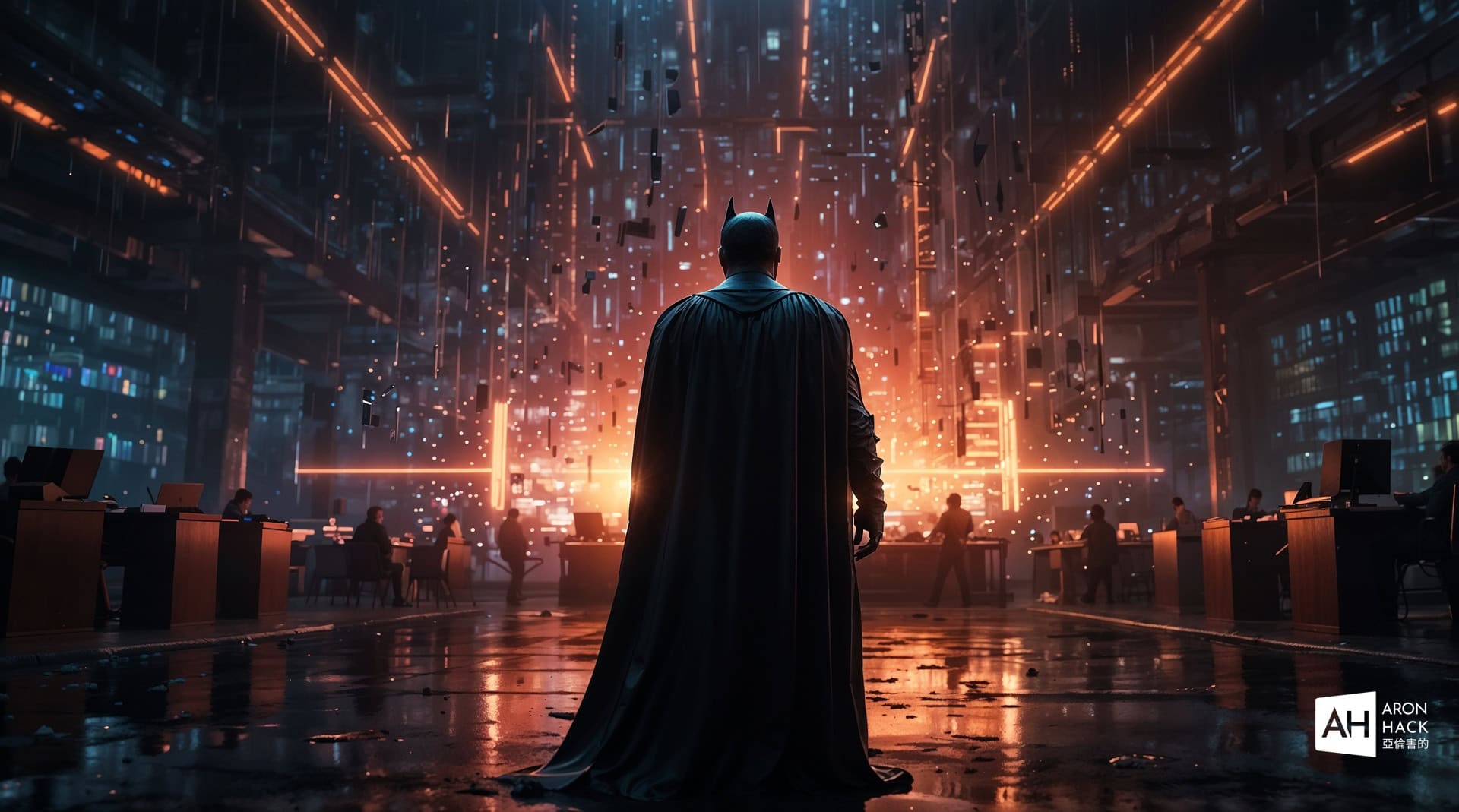
In September 2023, Warner Bros. Discovery filed a significant lawsuit against Midjourney, the AI image generation company, alleging copyright infringement of its iconic characters. The lawsuit claims Midjourney “brazenly stole” Warner Bros.’ intellectual property to generate unauthorized images of beloved characters including Superman, Batman, The Flash, and Scooby-Doo. According to court documents, Midjourney’s system can produce remarkably accurate renderings of these characters in response to simple prompts like “classic comic book superhero battle.”
Warner Bros. isn’t alone in this fight. Their lawsuit follows a similar legal action initiated by Disney and Universal Studios in June 2023, which characterized Midjourney as a “virtual vending machine” dispensing “endless unauthorized copies” of their intellectual property. The lawsuit strategically addresses defenses Midjourney has already raised in the Disney case, where the AI company argued its system is “trained on billions of publicly available images” and generates content based on “complex statistical relationships” rather than directly copying existing works.
These lawsuits raise fundamental questions about whether AI training on copyrighted material constitutes infringement, especially when the resulting system can generate content that closely resembles protected intellectual property. The implications extend far beyond entertainment characters to all forms of creative expression that could be mimicked by generative AI.
Authors Challenge Apple Over AI Training
The battle over AI and copyright isn’t limited to visual content. In another significant development, authors Grady Hendrix and Jennifer Roberson filed a lawsuit against Apple in September 2023, alleging the technology giant illegally used their copyrighted books to train its artificial intelligence systems without permission or compensation. This case represents part of a growing wave of litigation from authors protecting their written works from unauthorized use in AI training.
The legal action against Apple follows a pattern of similar lawsuits targeting tech companies developing generative AI. What makes these cases particularly noteworthy is the precedent set by AI startup Anthropic, which agreed to pay $1.5 billion to settle a class action from authors who accused the company of using their books to train its Claude chatbot without authorization. According to the settlement motion, this represents “the largest publicly reported copyright recovery in history” and “sets a precedent of AI companies paying for their use of pirated websites.”
These cases highlight the growing recognition that creative written works represent valuable intellectual property that shouldn’t be used without proper licensing or compensation, even when that use is for training AI systems. The outcomes of these lawsuits will likely establish important precedents for how AI companies must approach training data acquisition and what constitutes appropriate compensation for content creators.
Navigating the Legal Framework for AI and Copyright
The current legal framework governing AI-generated content and copyright remains inconsistent and evolving. Traditional copyright law was designed to protect human creative expression, but AI challenges these foundational principles. The U.S. Copyright Office has been actively examining the intersection of AI and copyright, releasing comprehensive reports on both the copyrightability of AI-generated works and whether using copyrighted materials to train AI systems constitutes fair use.
In May 2023, the Copyright Office released a 108-page report specifically addressing AI training and fair use. While the report acknowledged arguments from both sides, it clearly indicated that certain uses of copyrighted materials for AI training cannot be defended as fair use. This position represents a significant development in establishing boundaries for AI companies and developers, particularly those building generative models trained on massive datasets containing copyrighted works.
International approaches to AI and copyright vary significantly, creating additional complexity for global AI developers. The European Union, for instance, has been developing more explicit frameworks for AI and copyright through the Digital Single Market Directive, while other jurisdictions maintain different standards for what constitutes infringement or fair use in the context of machine learning.
Fair Use vs. Commercial Exploitation
At the center of most AI copyright disputes is the doctrine of fair use, which allows limited use of copyrighted materials without permission under certain circumstances. AI companies frequently invoke this defense, arguing that training machine learning models represents a transformative use that doesn’t compete with or replace the original works.
According to the Association of Research Libraries, “training AI models using publicly available internet materials is fair use, as supported by long-standing and widely accepted precedents.” This position has been echoed by organizations like OpenAI, which maintains that the ingestion of copyrighted works to create large language models generally constitutes fair use based on established case law.
However, content creators and rights holders argue that commercial AI systems trained on their works can generate outputs that compete directly with and devalue their original creations. This “indirect substitution” theory suggests that when AI systems can produce content similar to copyrighted works, they potentially diminish the market value of those original works—precisely the kind of harm copyright law aims to prevent.
Recent court decisions have reached different conclusions on this question. In one case involving Anthropic, the court initially dismissed the market substitution argument, finding little connection between training copies and market displacement. However, the subsequent $1.5 billion settlement suggests that companies may be recognizing potential liability regardless of initial court rulings. In separate cases involving other tech companies, courts have been more receptive to the theory of “indirect substitution,” suggesting that AI-generated content could have dilutive effects on the marketplace that weigh against fair use considerations.
Technical Solutions and Industry Standards
As legal battles continue, technical solutions are emerging to address copyright challenges in AI development. These approaches aim to create systems that can respect intellectual property rights while still advancing AI capabilities.
Content filtering and recognition systems represent one technical approach, allowing AI companies to identify and potentially exclude copyrighted materials from training datasets or provide appropriate attribution and compensation. Some developers are integrating algorithms that proactively analyze AI-generated outputs to detect potential copyright infringement before content is delivered to users.
Attribution technologies that can track content provenance are also gaining traction. These systems help companies comply with licensing requirements and maintain transparency about the sources used in training their models. According to technical experts, comprehensive systems for tracking content provenance and providing attribution help companies comply with licensing requirements while maintaining transparency about the data sources used in their models.
Industry self-regulation efforts are also developing. Some AI companies are establishing licensing agreements with content creators and publishers, creating mechanisms to compensate rights holders when their works are used for training. Others are developing opt-out mechanisms that allow creators to exclude their works from training datasets.
Finding Balance Between Innovation and Creator Rights
The collision between AI development and intellectual property rights represents one of the most significant legal challenges of our technological era. As courts continue to hear cases like Warner Bros. vs. Midjourney and authors vs. Apple, their decisions will establish precedents that shape how AI systems are developed and deployed.
The ideal resolution will likely involve both legal clarification and technological innovation. A balanced approach would protect the legitimate interests of content creators while allowing AI development to proceed in ways that benefit society through new capabilities and services. This might include clearer guidelines for what constitutes fair use in AI training, standardized licensing frameworks for training data, and technical solutions that enable attribution and compensation.
Legislative and regulatory developments are also likely on the horizon. As lawmakers become more familiar with AI technologies and their implications for intellectual property, we may see new legal frameworks specifically designed to address the unique challenges of AI-generated content. These could potentially include provisions for collective licensing, compulsory royalties, or other mechanisms that allow for both innovation and fair compensation.
The future relationship between humans and AI in creative fields will ultimately depend on finding ways for these technologies to augment rather than replace human creativity. By establishing clear rules of engagement that respect intellectual property rights while allowing for technological advancement, we can work toward a future where AI and human creators collaborate rather than compete—a future where innovation flourishes alongside robust protections for the rights of those who create original works.
As these legal battles continue to unfold, one thing is certain: the outcomes will fundamentally shape our understanding of creativity, ownership, and attribution in an age where the line between human and machine-generated content continues to blur. The resolution of these conflicts will determine not just the future of AI development but also the sustainability of creative professions in the digital age.
For those looking to deepen their understanding of these complex issues, Artificial Intelligence and Intellectual Property provides comprehensive insights into the intersection of AI and copyright law. Those interested in the technical aspects of AI image generation might find Midjourney – From Concept to Creation: A Beginner’s Guide to Midjourney Image Generation helpful in understanding the technologies at the center of these controversies. For professionals navigating the ethical implications, AI Ethics and Legal Compliance: A Comprehensive Guide for Responsible AI Use offers valuable guidance on responsible AI implementation. Those looking to understand the technical foundations might benefit from Building Business-Ready Generative AI Systems, which explores how these systems are built and deployed in enterprise settings.


