
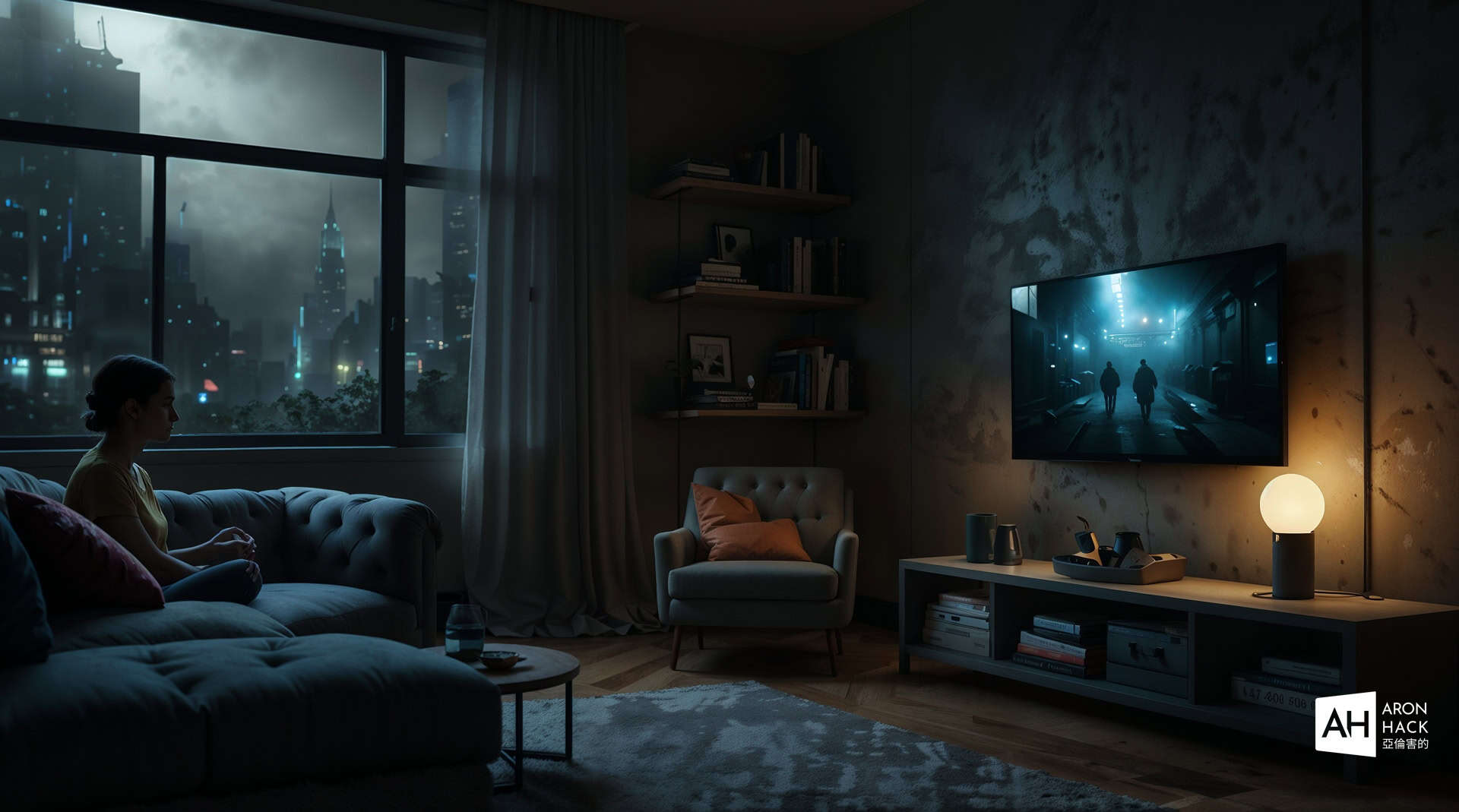
Dolby Vision 2 marks a revolutionary leap in HDR technology, introducing "Content Intelligence" powered by AI to optimize viewing experiences. This next-generation format addresses common viewer complaints while preserving creator intent. Key features include "Precision Black" for improved dark scene clarity, enhanced "Light Sense" for adaptive brightness, and bi-directional tone mapping for superior color and contrast. The controversial "Authentic Motion" aims to reduce judder without compromising cinematic feel. Dolby Vision 2 will be available in standard and Max tiers, with Hisense as the first TV partner. This technology represents a paradigm shift in visual content optimization, potentially resolving the tension between artistic vision and practical viewing conditions.
In the ever-evolving landscape of visual technology, Dolby has once again positioned itself at the forefront of innovation with the announcement of Dolby Vision 2. Unveiled in September 2025, this groundbreaking evolution of their industry-leading HDR format promises to transform how we experience content on our screens. Coming more than a decade after the original Dolby Vision debuted, this next-generation technology aims to solve some of the most persistent complaints from viewers while giving content creators unprecedented control over how their work appears in our living rooms.
At the heart of Dolby Vision 2 is a technology Dolby calls “Content Intelligence,” which harnesses the power of artificial intelligence to optimize viewing experiences based on what you’re watching, where you’re watching it, and the capabilities of your specific display. This represents a significant philosophical shift in Dolby’s approach. While the original Dolby Vision was primarily focused on maintaining creator intent through precise tone mapping, Dolby Vision 2 attempts to bridge the gap between filmmaker vision and the practical realities of home viewing environments.
One of the most notable features within Content Intelligence is “Precision Black”, a direct response to perhaps the most common complaint about HDR content: scenes that appear too dark for comfortable viewing. Anyone who struggled to follow the action during Game of Thrones’ infamous Battle of Winterfell or found themselves squinting through dimly lit scenes in shows like Apple TV+’s Silo will appreciate this innovation. Precision Black promises to improve clarity in darker scenes without compromising the creator’s intended aesthetic, making subtle details visible even in challenging viewing conditions.
Complementing this is an enhanced “Light Sense” feature that utilizes ambient light detection sensors in compatible TVs to adjust picture quality based on your room’s lighting conditions. Rather than simply brightening the entire image in well-lit rooms (which can wash out colors and contrast), Light Sense works with reference lighting data from the source material to make intelligent adjustments. This creates a more consistent viewing experience whether you’re watching in a completely darkened home theater or a sun-drenched living room on a Sunday afternoon.
Perhaps the most technically impressive addition to Dolby Vision 2 is its bi-directional tone mapping capabilities. Traditional HDR formats use tone mapping to translate the creator’s master version to what your specific TV can display. Dolby Vision 2 takes this a step further by enabling a two-way conversation between content and display. This means your TV can communicate its specific capabilities back to the content, allowing for more precise optimization of brightness, contrast, and color saturation. The result, according to Dolby, is higher brightness, sharper contrast, and more deeply saturated colors that still maintain the creator’s original vision.
The feature likely to generate the most controversy among cinema purists is “Authentic Motion,” which Dolby describes as “the world’s first creative-driven motion control tool.” Motion smoothing (often called the “soap opera effect”) has long been the bane of filmmakers’ existence, with directors like Christopher Nolan and Tom Cruise publicly campaigning against the feature that makes 24fps film content look like 60fps video. Dolby’s approach attempts to thread the needle by giving filmmakers shot-by-shot control over motion handling, potentially reducing unwanted judder without destroying the cinematic look of the content. It’s an ambitious claim, and one that will require extensive real-world testing to validate.
For gamers and sports enthusiasts, Dolby Vision 2 includes dedicated optimization modes that allow fine-tuning of white point adjustments and motion control. These specialized settings acknowledge that different content types have different visual priorities – the fast movement of sports requires different handling than the artistic composition of a dramatic film scene.
In terms of availability, Dolby Vision 2 will be offered in two distinct tiers. The standard Dolby Vision 2 will bring improved picture quality to mainstream TVs, while Dolby Vision 2 Max will deliver additional premium features for high-end displays. Hisense has announced it will be the first manufacturer to integrate Dolby Vision 2 into its premium television lineup, including its RGB MiniLED models. On the content side, CANAL+ has committed to enhancing its entire lineup – from movies and TV shows to live sports – with Dolby Vision 2 technology.
The good news for consumers is that you won’t necessarily need to replace your current TV immediately. Dolby has confirmed that existing Dolby Vision content will still work with TVs that support either the original or new specification. However, only displays with Dolby Vision 2 will recognize and utilize the additional metadata if it’s present in the content. Industry experts anticipate that we’ll see more TV manufacturers announce Dolby Vision 2 support at CES in January 2026, with wider adoption throughout that year.
What makes Dolby Vision 2 particularly intriguing is its potential to resolve the longstanding tension between artistic intent and viewing practicality. Filmmakers create content in carefully controlled environments with professional-grade displays, but the average viewer watches that same content on a consumer TV in less-than-ideal conditions. By using AI to adapt content intelligently while still respecting creative decisions, Dolby Vision 2 might finally deliver the best of both worlds.
The technology also represents Dolby’s acknowledgment that HDR implementation has been inconsistent since its introduction. While HDR promised better contrast, wider color gamuts, and more impactful specular highlights, the reality has often been a mixed bag for consumers. Some content appears too dark, some appears oversaturated, and the experience varies wildly between different TVs and content sources. Dolby Vision 2 aims to create a more consistent experience through its intelligent optimization features.
As with any new technology standard, the true test will be in real-world implementation. Will content creators embrace the new tools? Will TV manufacturers invest in the premium sensors and processing required to fully leverage these capabilities? Most importantly, will viewers perceive a meaningful difference that justifies any potential price premium?
What’s clear is that Dolby Vision 2 represents more than just an incremental update to HDR technology. It signals a fundamental shift in how we think about optimizing visual content for home viewing, placing artificial intelligence at the center of the viewing experience. Rather than simply mapping content to displays, this next-generation approach actively works to ensure that what you see at home is as close as possible to what creators intended, regardless of your specific viewing environment or hardware.
For filmmakers, cinematographers, and content creators, Dolby Vision 2 offers new tools to ensure their creative vision reaches audiences intact. For viewers, it promises to eliminate some of the most frustrating aspects of modern TV viewing without sacrificing quality or artistic integrity. It’s an ambitious balancing act, and one that could redefine our expectations for home entertainment if successfully executed.
As we approach CES 2026, where more details and compatible devices are expected to be announced, the industry will be watching closely to see if Dolby Vision 2 can deliver on its promises and establish itself as the new gold standard for premium visual experiences in the home.


References: Real money pokies payid no verification payid pokies australia
References: Payid casino pokies payid pokies reviews
References: No verification payid pokies australia
References: 10 dollar deposit pokies payid 5 dollar deposit pokies payid
References: Mobile pokies welcome bonus