
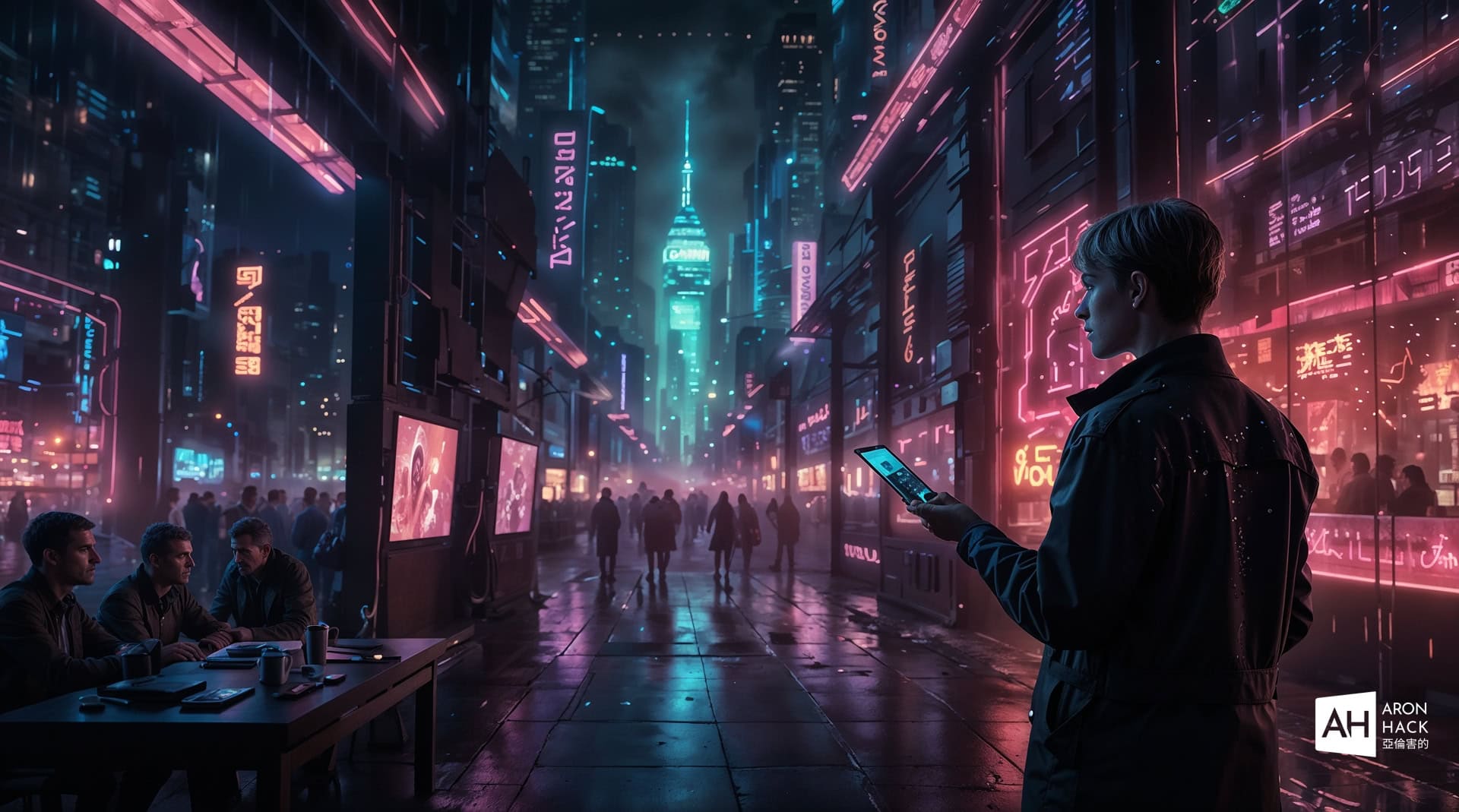
Meta has forged a strategic partnership with Midjourney, the AI image generation powerhouse, to integrate their "aesthetic technology" into Meta's platforms. This collaboration, announced by Meta's Chief AI Officer Alexandr Wang, goes beyond licensing, involving technical cooperation between research teams. It's a significant move in Meta's AI expansion, following the establishment of Meta Superintelligence Labs and substantial investments in AI talent. Midjourney's technology will likely enhance AI-generated content across Facebook, Instagram, and WhatsApp, potentially improving Meta's competitive position against rivals like OpenAI and Google. However, this partnership also raises questions about content authenticity and copyright concerns in AI-generated imagery. While the timeline for implementation remains unclear, this collaboration signals a future where AI-generated visuals become increasingly prevalent in our daily social media experiences, blurring the lines between human and machine creativity.
In a significant development that signals Meta’s deepening commitment to artificial intelligence, the tech giant has announced a strategic partnership with Midjourney, the renowned AI image generation company known for its aesthetic prowess. This collaboration, revealed by Meta’s Chief AI Officer Alexandr Wang on August 23, 2025, will allow Meta to license Midjourney’s “aesthetic technology” for integration into its future models and products across its family of apps including Facebook, Instagram, and WhatsApp.
The announcement marks a pivotal moment in Meta’s AI journey and represents more than just a simple licensing agreement. According to Wang, the partnership involves a “technical collaboration between our research teams,” suggesting a deeper level of integration that could fundamentally transform how users interact with AI-generated content across Meta’s platforms. “We are incredibly impressed by Midjourney,” Wang stated in his announcement. “They have accomplished true feats of technical and aesthetic excellence, and we are thrilled to be working more closely with them.”
This partnership arrives at a time when Meta has been aggressively expanding its AI capabilities. The company recently established Meta Superintelligence Labs (MSL), with Wang at the helm following Meta’s substantial $14.3 billion investment in Scale AI, the company Wang co-founded. This restructuring of Meta’s AI operations signals CEO Mark Zuckerberg’s commitment to catching up with competitors like OpenAI and Google in the race for AI dominance. The company’s strategy has involved not just organizational changes but also significant talent acquisition, with reports of Meta offering substantial compensation packages to attract top AI researchers.
Midjourney has distinguished itself in the competitive AI image generation landscape since its founding in 2022. Unlike many of its competitors, the company has remained fiercely independent, taking no outside investment while reportedly generating approximately $200 million in revenue in 2023 through its subscription-based model. Midjourney CEO David Holz emphasized this independence in a post following the announcement, stating that despite the partnership, Midjourney remains “an independent, community-backed research lab” with “no investors.”
The integration of Midjourney’s technology into Meta’s ecosystem will likely have far-reaching implications for how content appears in users’ feeds. Meta has been steadily incorporating AI-generated imagery across its services, with the Meta AI app built around a feed of AI-generated images and videos. Facebook has already added functionality for users to create AI images when making new posts, and similar options exist within WhatsApp and Instagram chats. With Midjourney’s technology in the mix, the quality and realism of these AI-generated visuals are expected to improve substantially.
The partnership could significantly enhance Meta’s competitive position against other industry leaders in AI image and video generation. While Meta has previously launched its own AI image generation tool, Imagine, and an AI video generation tool called Movie Gen, Midjourney’s technology may help Meta close the gap with competitors such as OpenAI’s Sora, Black Forest Lab’s Flux, and Google’s Veo. In June 2025, Midjourney released its first AI video model, V1, further expanding its capabilities beyond static images.
Beyond technical capabilities, this collaboration raises important questions about content authenticity and moderation in an era where AI-generated imagery becomes increasingly indistinguishable from human-created content. As Meta integrates Midjourney’s technology into its platforms, the line between authentic user-generated content and AI-created material may blur further, potentially challenging users’ ability to discern what’s real and what’s artificially generated. Those interested in exploring AI image generation tools might find Photo Organizer Pro 25 useful for managing and organizing their content.
The partnership also comes amid ongoing discussions about copyright concerns in AI-generated imagery. Midjourney, like many AI image generators, has faced scrutiny regarding the training data used to develop its models. In June 2025, the company was sued by Disney and Universal, who alleged that Midjourney trained its AI image models on copyrighted works. Similar allegations have been made against other AI model developers, including Meta itself. The lawsuit described Midjourney’s service as a “bottomless pit of plagiarism” that created unauthorized copies of Disney’s and Universal’s famous characters.
For content creators and businesses using Meta’s platforms, the integration of Midjourney’s technology presents both opportunities and challenges. On one hand, access to high-quality AI-generated imagery could democratize visual content creation, allowing users without traditional design skills to produce professional-looking visuals. On the other hand, the proliferation of AI-generated content may raise concerns about the devaluation of human-created work and potential market saturation. For businesses looking to leverage social media, resources like Marketing Magic offer valuable insights into effective strategies.
The exact timeline for when Midjourney’s technology will begin appearing in Meta’s products remains unclear, with both companies indicating they will share more details about their collaboration “soon.” However, the partnership represents a clear strategic move by Meta to enhance its AI capabilities and maintain its position as a leader in social media innovation.
As AI-generated content becomes increasingly prevalent across social media platforms, users will need to adapt to a new reality where the line between human and machine creativity continues to blur. Meta’s partnership with Midjourney is not just a business arrangement—it’s a glimpse into a future where AI-generated imagery becomes a standard part of our daily social media experience, seamlessly integrated into the platforms we use to connect, share, and communicate. Those interested in learning more about AI’s impact might find AI: The Great Disruption a valuable resource for understanding these changes.
The implications of this partnership extend beyond just visual aesthetics. As Meta works to build its vision of the metaverse and expand its AI capabilities, the integration of Midjourney’s technology could play a crucial role in creating more immersive and visually compelling digital experiences. Products like the Meta Quest 2 virtual reality headset demonstrate Meta’s commitment to creating immersive experiences. Wearable technology is also evolving with the metaverse in mind, as shown by innovations like AI Translation Smart Glasses that facilitate cross-language communication. Whether this collaboration ultimately enhances or complicates our relationship with digital content remains to be seen, but one thing is certain: the way we create and consume visual media on social platforms is about to undergo another significant transformation.


